

laminated glass storm windows
Understanding the Bore Gauge Micrometer A Precision Tool for Measurement In the world of precision engineering and manufacturing, accurate measurement is paramount. One essential tool that has made its mark in this field is the bore gauge micrometer. It is designed to measure the internal diameter of cylindrical parts with a high degree of accuracy. This article delves into the functionality, applications, and advantages of using a bore gauge micrometer. What is a Bore Gauge Micrometer? A bore gauge micrometer is a specialized measuring instrument used to determine the internal dimensions of a bore, such as that found in cylinders, holes, or tubes. Unlike regular micrometers, which measure external dimensions, the bore gauge is tailored to access hard-to-reach internal spaces. Typically, it consists of a dial indicator, a measuring head with either fixed or expandable measurements, and a handle for easy application. Some models feature a digital display for instant readability, enhancing measurement efficiency. How Does It Work? To use a bore gauge micrometer, the operator first selects the appropriate measuring head size based on the diameter of the bore being measured. After inserting the gauge into the bore, the expandable measuring heads are adjusted until they make contact with the internal walls of the bore. The operator then reads the measurement from the dial indicator or digital display. The accuracy of the bore gauge micrometer can reach tolerances of up to a few micrometers, making it indispensable in precision engineering. Applications of Bore Gauge Micrometers Bore gauge micrometers find widespread applications across various industries, including 1. Manufacturing In the production of engines, automotive parts, and other machinery, accurate internal measurements are critical. Bore gauges ensure that parts meet tight specifications for optimal performance. 2. Aerospace The aerospace sector demands precision in every component . Bore gauge micrometers are used to measure the internal diameters of turbine engines, fuel injectors, and other vital parts to ensure safety and reliability. bore gauge micrometer 3. Biomedical Engineering In the medical device industry, components such as syringes and implants must have precise internal measurements. Bore gauge micrometers help ensure that these products are manufactured to the highest standards. 4. Quality Control During the inspection phase, bore gauge micrometers play a crucial role in verifying that manufactured parts meet designated specifications. They help identify defects or deviations that could affect functionality. Advantages of Using Bore Gauge Micrometers 1. High Precision One of the primary benefits of a bore gauge micrometer is its ability to deliver highly accurate measurements. This precision is essential in industries where millimeter or micrometer differences can have significant implications. 2. Ease of Use Modern bore gauge micrometers are designed to be user-friendly. With features like ergonomic designs, digital displays, and easy calibration, operators can quickly obtain measurements without extensive training. 3. Versatility Bore gauges can measure various bore sizes and depths, making them versatile instruments for engineers and technicians. 4. Durability Many bore gauge micrometers are made from robust materials that can withstand the rigors of industrial environments. This durability ensures that they maintain accuracy over time. 5. Cost-Effectiveness By providing precise measurements, bore gauge micrometers help reduce manufacturing errors, ultimately saving companies money on waste and rework. Conclusion In summary, the bore gauge micrometer is an indispensable tool in the arsenal of precision measurement instruments. Its ability to accurately measure the internal diameters of bores makes it a crucial device in various industries, from manufacturing to aerospace. With advancements in technology and design, modern bore gauge micrometers offer user-friendly features and high precision, allowing engineers and technicians to carry out their tasks efficiently and accurately. Investing in a quality bore gauge micrometer is a smart choice for any organization committed to maintaining high standards of accuracy and quality in their products.
about
laminated glass storm windows
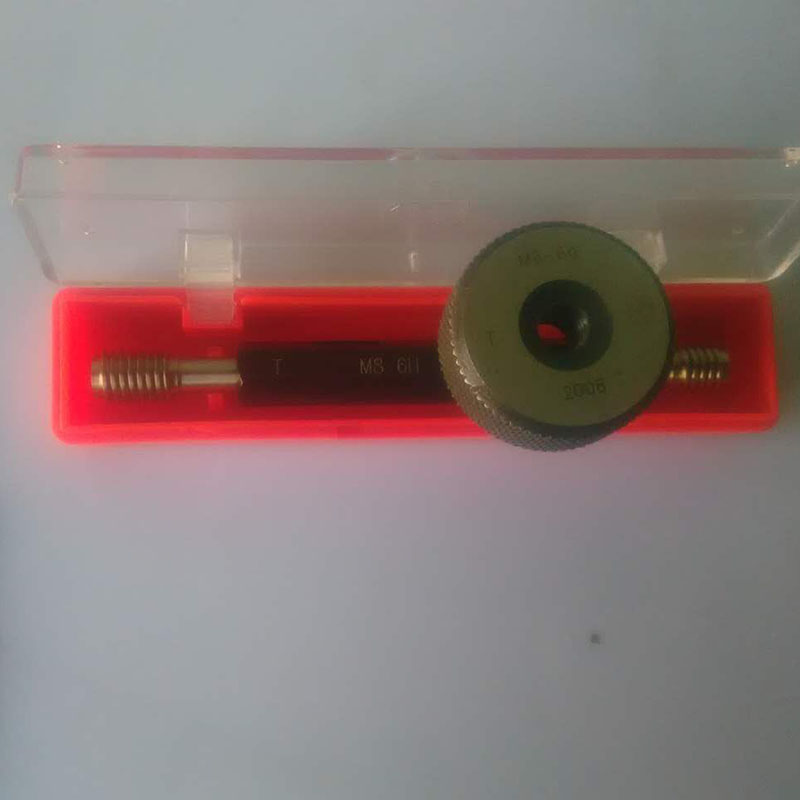
Understanding Ring Gauges A Comprehensive Overview In the realms of mechanical engineering and manufacturing, precision is paramount. One of the essential tools that help achieve this precision is the ring gauge. Specifically, ring gauges are crucial in assessing the dimensions of cylindrical objects, such as shafts or holes, ensuring that they conform to specified tolerances. This article delves into the design, function, types, and applications of ring gauges, providing insights into their significance in various industries. What Are Ring Gauges? A ring gauge is a circular tool used to measure the external diameter of a workpiece or the internal diameter of a hole. Typically made of hardened steel, these gauges can withstand wear and provide high accuracy in measurement. The design of a ring gauge resembles a simple ring that can be fitted onto the part being measured. The key characteristic of this gauge is its ability to determine whether the dimension of the workpiece falls within the specified tolerance range. Types of Ring Gauges There are primarily two types of ring gauges go gauges and no-go gauges. 1. Go Gauges As the name implies, a go gauge is used to check if a workpiece is within the acceptable limits. If the workpiece fits onto the go gauge, it indicates that the part has passed the dimensional inspection. This type is critical for ensuring the part can fit with other components in an assembly. 2. No-Go Gauges In contrast, a no-go gauge is used to check the upper limit of a dimension. If the part fits onto the no-go gauge, it fails the inspection, indicating that it exceeds the maximum allowable size. This dual approach enables comprehensive assessment and ensures that workpieces maintain proper fitting and function in mechanical assemblies. Design Considerations The design of a ring gauge must consider various factors to ensure accuracy and usability. These include - Material Selection Typically constructed from high-grade tool steel, the material must exhibit excellent wear resistance while maintaining dimensional stability under varying temperatures . ring gauge - Calibration and Finish Surface finish and proper calibration are essential to achieve the required accuracy. Any imperfections or deviations can lead to incorrect measurements. - Tolerance Levels Ring gauges are manufactured to specific tolerance levels based on the requirements of the applications they serve. The tolerance dictates the permissible limits of size for the components being measured. Applications of Ring Gauges Ring gauges find extensive applications across various industries - Manufacturing In manufacturing settings, ring gauges are used to verify the dimensions of products being produced, ensuring they meet design specifications. - Automotive Industry For automotive components, such as engine parts and transmission systems, ring gauges help ensure that pieces fit together accurately, contributing to the overall functionality and safety of the vehicle. - Aerospace In the aerospace sector, where safety and reliability are critical, ring gauges are employed to inspect components that require the utmost precision. - Construction and Heavy Machinery Ring gauges also play a vital role in the construction industry, particularly for large machinery and equipment where precise component dimensions are crucial for operation. Conclusion Ring gauges are indispensable tools in ensuring dimensional accuracy in manufacturing. By employing go and no-go gauges, engineers and machinists can effectively manage tolerances and achieve the desired fit of components. As industries demand higher precision and quality, the role of ring gauges will only continue to grow, solidifying their status as a central tool in the manufacturing and engineering processes. Whether in automotive, aerospace, or other sectors, the importance of ring gauges in maintaining quality standards cannot be overstated. They embody the essence of precision engineering, facilitating the manufacturing of safe, reliable, and efficient products.
-

High quality industrial productsagement

High quality industrial products
View Details -

Meet the diverse needs of customers

Meet the diverse needs of customers
View Details -

Strict quality control

Strict quality control
View Details -

Top raw materials

Top raw materials
View Details -

Trusted supplier

Trusted supplier
View Details
Our application
news and information
Valvola a farfalla da 1,5 pollici per applicazioni industriali e domestiche
Valvola a Farfalla da 1.5 Pollici Un Elemento Chiave nel Settore Industriale Le valvole a farfalla s

Using a Small Hole Gauge for Precision Measurement and Inspection of Small Orifices
The Importance of Small Hole Gauges in Measurement Small hole gauges are precision instruments used
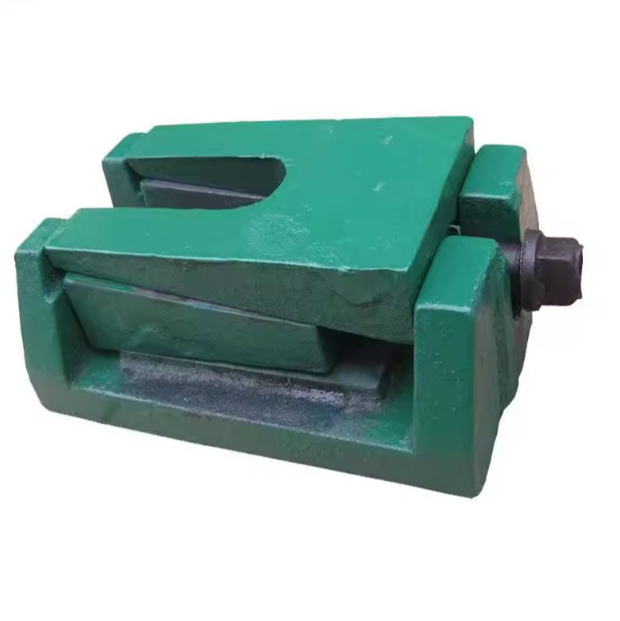
Wooden connectors for timber structures
The Indispensable Role of Wood Timber Connectors in Modern Construction Wood timber connectors play
 English